
In a previous Newsletter, i went into detail about building a 20 Watt QRP Dummy Load. I figured it was about time to increase that to 100 Watts due to popular demand.
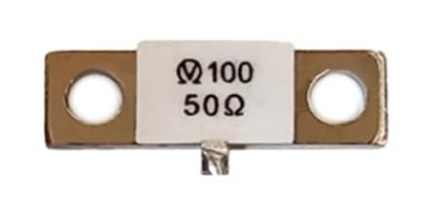
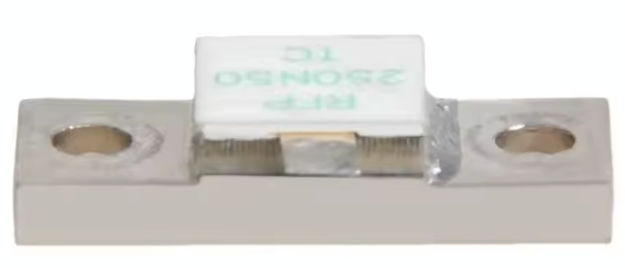
I have seen these “High Power” Resistors around for a while. I figured i would test them out and see how they respond across the RF Spectrum. These are rated for 3 GHz but in reality, i would not use them above UHF (430-440MHz) as the Linear Response, i imagine, will be quite poor.
To build one:
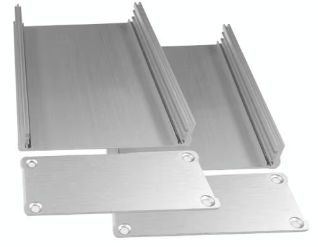
You will need a metal case (DO NOT use plastic)
Next you will have to choose a connector type. SO-239 or BNC? You can use an N Type if you intend on using higher frequencies but please note that the linear response from this resistor is not going to be very good above UHF (440 MHz)
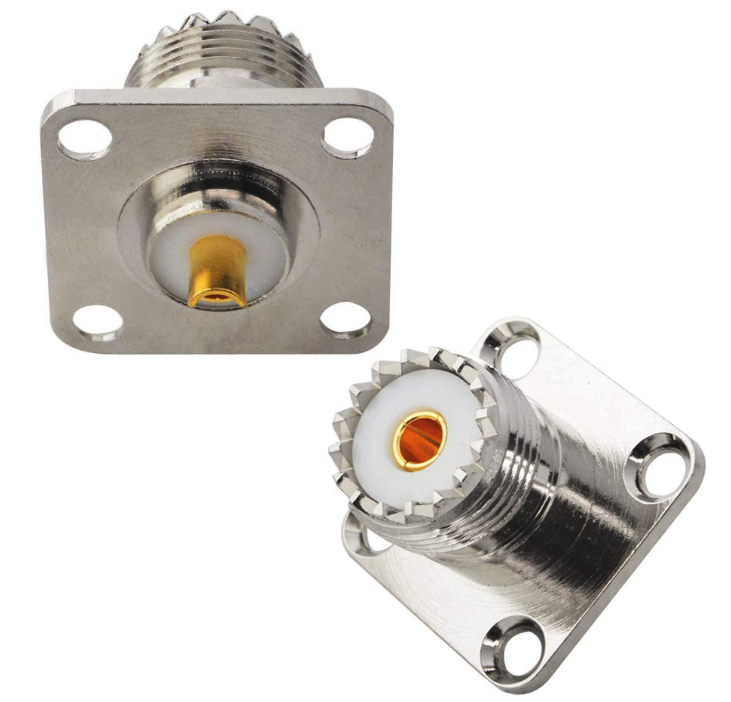
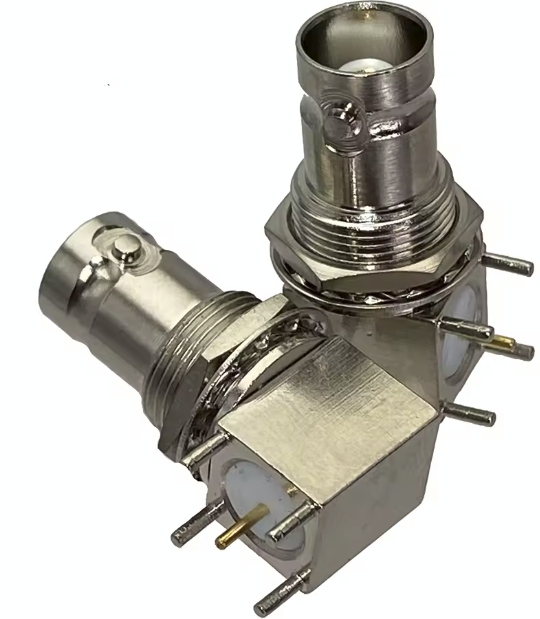
Ok, now drill your case to make your chosen connector fit. Make sure you have a snug fit and that the metal surfaces are clean. This will help the impedance control and continuity.
Next you should position your resistor somewhere in the middle of the case. Just remember that we have a heatsink to put on the other side. Place the resistor down and mark the two holes that you are going to mount it with.
Find two short bolts / machine screws and a couple of shakeproof washers.
Attach the resistor using the bolts. I would recommend using a TINY amount of heatsink compound to help the thermal transfer to the case.
Once you have it mounted, go grab a heatsink:
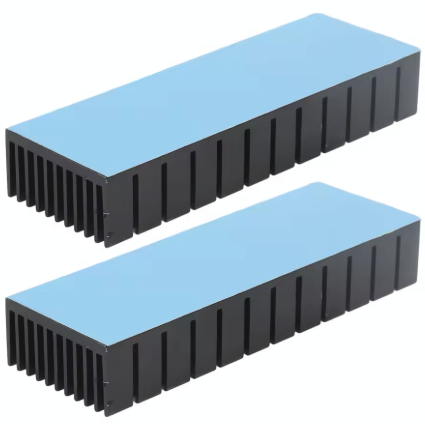
Attach the heatsink to the other side of the case.
Do a dry run first to make sure you have no bolts protruding into the heatsink!
Now that you have everything attached, its time for a very delicate step.
Get yourself a small length of Coax cable, it only needs to go from your connector to the center pin of the resistor.
Why do we need to use coax? Cant i use a bit of wire?
The answer to this is yes, you can, BUT, you will see a rise in the VSWR when you transmit into the load.
This does not sound all that bad, i mean the whole idea of the dummy load is to dump the power somewhere right?
Again, yes it is BUT you also need to keep a close match to keep the transceiver happy.
50Ω is what the transceiver expects to see. In reality it will not make much of a difference but at higher frequencies above 145MHz it will show as a potential impedence mismatch and it will only get worse the higher you go.
Trim the ends of the coax, you only need a few mm on each end. Solder the connector end first as this makes it easier to avoid moving or flexing the pin on the Resistor. This pin is quite delicate, it will not survive bending. Again, solder the connector end and make sure that the length of the coax brings both conductor and shield to the correct points. You can use a ring tab on one of the mounting points to make this a bit easier. If you have a TIN case, you can use a high power soldering iron and connect the shield direct to the case next to the resistor.
Very carefully solder the conductor to the center pin on the Resistor.
If you have done everything correct, you now have a 100watt 50Ω dummy load!
Put the lid of the case on and try this test.
Connect an SWR meter to your Radio
Connect SWR meter to Dummy load
Select FM mode on your transceiver
Select a frequency of your choosing, remember its a dummy load so we should be transmitting over someone else.
Key up the transmitter
Check the SWR, it should read around 1.15 to 1 or better.
Now change frequency to lets say, 3.6MHz and try the same. The SWR should be better (lower) or a perfect match.
Now lets try 70cms. Tune to 440MHz and try 50Watts
Now can you see the difference on the SWR meter?
Welcome to a whole other world. – Use coax!
You are free to try the above but use a single piece of wire and watch what happens as you go up in Frequency.
I will have a small modification for ALL the Dummy loads soon.
I will publish the Mod in a future Newsletter
Let me have your comments and opinions. Tim.
A 250 Watt Version is also available.











any chance of a diagram tim so i can try and make one cheers m7iyp
Working on it now. 🙂